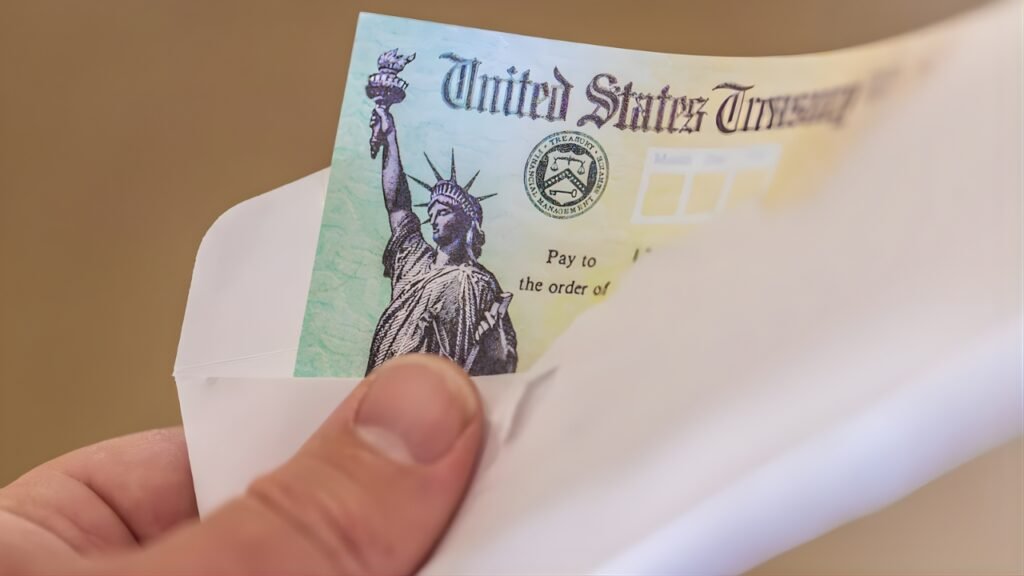
By the year 2026, the arrival of this year will signify the end of the road of the almost 75 million Americans who depend on the Social Security Administration (SSA) to give them monthly paychecks. The payment schedule this year is not only a date book but it reflects application of 2.8% Cost-of-Living Adjustment (COLA). This means that to the average retired worker monthly the benefit will be in the form of a increment of about 56, making the average age benefit 2,071. It is important to know when these payments will be received to make plans in the financial year and because the initial checks of the year contain these essential inflation-adjusted amounts.
The Birth-Date Distribution System
To the majority of beneficiaries, the date of your check deposit comes with the assistance of your date of birth. The SSA still maintains a staggered distribution schedule on Wednesday distribution in 2026. Those who were born during 1st to 10 th of the month are paid during the second Wednesday (starting January 14). Individuals who have a birthday date between the 11 th and 20th will receive payment on the third Wednesday (January 21), whilst those in the 21 st to 31 st date will get theirs on the fourth Wednesday (January 28). This is a predictable rhythm, which will enable millions of households to synchronise payment of their bills with the date of their individual deposits.
Significant Exceptions and Early Payments
The Wednesday cycle takes care of most of them, although there are some groups that have a different cycle. The payment of your retirement benefits is typically made on the 3rd of every month provided you started receiving benefits before May 1997 or also provided you receive both social security as well as the Supplemental Security Income (SSI). These payments were however shifted to a Friday, January 2, as January 3, 2026, is on a Saturday. On the same note, SSI recipients, who typically receive on the 1st, were receiving their January payments on December 31, 2025, to take the New Year Day holiday into consideration.
Digital Shifts and Fraud Prevention
One of the significant transformations in 2026 will be the completion of the transformation to a completely digital payment system. In response to the recent federal requirements, the SSA has massively slowed the mailed hard copy checks so as to decrease the expense involved in postage and decreased risk of mail fraud. A majority of the recipients have been enabled to get funds through direct deposits or Direct Express debit card. Moreover, 2026 is the year when all the online accounts under my Social Security are required to have multi-factor authentication (MFA). This is an extra security measure, which will keep your personal data and credit card information safe against emerging online security risks.
Medicare and Working Limits Effect
The amount paid will be the same but the net amount paid can be different because of new deductions. The normal Part B of Medicare plan premium has increased to 202.90 in 2026 and is usually deducted when the check is issued. Moreover, the Earnings Test limit has grown to $24,480 to the employees who are still at work. This will allow you to make more money at work and you will not lose anything in your Social Security checks and this will serve as a good cushion to older folks who are working and making a living and retiring at this time of high inflation.
2026 Payment Schedule Data
| Recipient Group | Payment Date (Jan 2026) |
| SSI Recipients | Dec 31, 2025 (Early) |
| Birthdays 1st – 10th | Wednesday, Jan 14 |
| Birthdays 11th – 20th | Wednesday, Jan 21 |
| Birthdays 21st – 31st | Wednesday, Jan 28 |

Frequently Asked Questions (FAQs)
1. Why was my January SSI money paid in December?
During the 1st of the month, when it is a holiday or on the weekend, the SSA pays on a business day before it. The payment of the Jan 2026 SSI was sent on Dec 31, 2025, because Jan 2 was a holiday.
2. Would I be able to order a paper check in 2026?
Even paper checks have become the stock of extreme exceptions, including the residents of the banking deserts or a limited range of people with certain mental challenges. The majority of users are required to make direct deposit.
3. What would be my case when my payment is late?
The SSA recommends that it should wait three business days before reporting missing payment. Frequently, the cause of the delays lies in the processing time of your particular bank and not the SSA itself.
Disclaimer
The material is purely informational. you may refer to the authoritatively sources: SSA.gov and Medicare.gov our objective is to furnish the users with the correct information.